

Industrial Heat Exchanger
Industrial heat exchanger solutions for heating, cooling, and process heat-transfer applications, engineered according to process conditions, fluid characteristics and equipment requirements.
An industrial heat exchanger transfers thermal energy between two process streams — heating or cooling fluids and gases without letting them mix. Used across chemical, pharmaceutical, food, and other industrial processes requiring reliable temperature control.
Febchem Engineering Pvt. Ltd. supplies industrial heat exchangers engineered around your process conditions — fluid type, flow rate, temperature, pressure, and materials — rather than a fixed unit. Configuration is worked out with our engineering team based on what your process needs.
Have a requirement to evaluate? Share your process data for a suitable configuration.
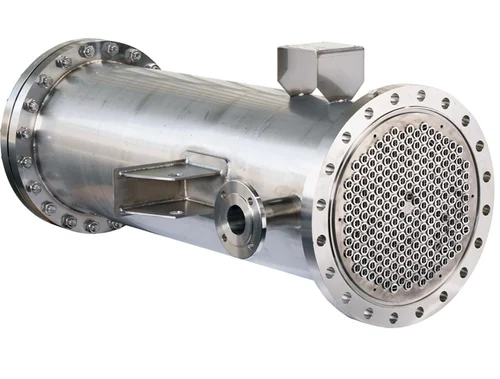
What Is an Industrial Heat Exchanger?
An industrial heat exchanger transfers thermal energy from one fluid or gas to another without letting the streams mix. As hot and cold streams pass through, heat moves from hot to cold — raising one stream’s temperature and lowering the other’s.
This function is used wherever a process fluid needs to reach or hold a specific temperature — heating before a reaction, cooling before storage, or recovering heat that would otherwise be wasted.
No single design fits every application. Configuration, heat-transfer area, and material depend on the fluids, temperatures, and Pressures involved — so design is approached case by case.
How Does an Industrial Heat Exchanger Work?
Performance depends on more than the mechanism: heat-transfer area, temperature difference, flow rate, fluid properties, heat-transfer coefficient, fouling, material selection, pressure drop, and flow arrangement all factor in — so sizing is engineered from real process data, not estimates.
What Are the Main Types of Industrial Heat Exchangers?
Shell and Tube Heat Exchanger
A tube bundle sits inside an outer shell; one fluid runs through the tubes, the other around them, with heat transferring across the tube walls. Widely used industrially since the bundle offers a large heat-transfer area in a compact footprint. Fit depends on fluid type, required area, pressure, and temperature.
U Tube Heat Exchanger
Tubes bend into a U shape instead of running straight, letting the bundle expand and contract more freely with temperature changes. Useful where temperature swings are significant, though suitability still depends on process requirements.
Removable Bundle Heat Exchanger
The tube bundle can be removed for cleaning, inspection, or maintenance rather than staying fixed. Suits fluids prone to fouling where regular access matters — dependent on fouling tendency and maintenance needs.
Customized Industrial Heat Exchanger
Final design can be engineered around your fluid, heat duty, temperature, pressure, flow rate, material, installation conditions, and maintenance needs — built from actual process data, not chosen off a catalog.
Industrial Heat Exchanger Manufacturer & Supplier in India
As an industrial heat exchanger manufacturer and supplier in India, Febchem Engineering builds units for heating, cooling and process heat-transfer duties in chemical, pharmaceutical, food and herbal plants from our facility in Indore, Madhya Pradesh.
Every heat exchanger is engineered around your process data: fluid type, flow rate, inlet and outlet temperature, operating pressure and material of construction. We build shell and tube, U-tube and removable bundle configurations, and the design is finalised with our engineers before fabrication begins.
Our Indore facility handles material cutting, plate bending, welding, machining and drilling for each unit. We also supply matching Agitators, Chemical Reactors and Pressure Vessels, so you can source connected process equipment from one manufacturer.
Why Consider Febchem for Industrial Heat Exchanger Supply?
Engineering & Process Equipment Experience
Febchem has experience designing and manufacturing industrial process equipment, including heat exchangers built around specific requirements.
Technical Support
Our team reviews your fluid, flow, temperature, and pressure data and advises on a suitable configuration before proposing.
Manufacturing Capability
Febchem operates a manufacturing facility in Indore with capabilities including material handling, cutting, plate bending, welding, machining and drilling.
Customized Equipment
Configuration, materials, and design can be developed around your process rather than supplied as a fixed unit.
Industrial Application Knowledge
Febchem’s wider experience in process equipment across pharmaceutical, chemical, herbal, cosmetic and food-processing applications provides relevant understanding of industrial operating environments.
Industrial Heat Exchanger – Technical Specifications
Febchem Industrial Heat Exchangers are designed for efficient heat transfer in industrial heating and cooling applications. Configuration, heat transfer area, material of construction, and other specifications are selected according to process conditions, fluid characteristics, and project requirements.
Parameter | Information |
Equipment | Industrial Heat Exchanger |
Primary Function | Heating, cooling and heat transfer |
Configuration | Selected according to process requirements |
Available Types | Shell & Tube / U Tube / Removable Bundle, where applicable |
Application | Industrial process heating and cooling |
Fluid | Liquid / Gas, depending on application |
Material of Construction | Selected according to process and fluid requirements |
Heat Transfer Area | Project-specific |
Design | Customized according to process conditions |
Support | Technical requirement assessment and quotation |
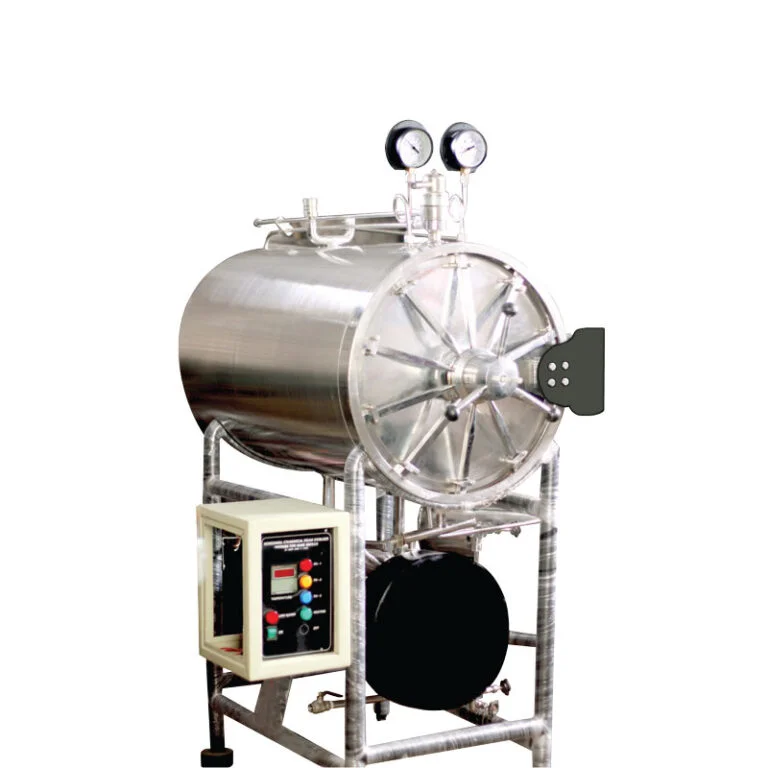
What Is the Main Purpose of a Heat Exchanger?
The primary purpose of a heat exchanger is to transfer thermal energy from one fluid or gas to another without direct mixing, allowing industrial processes to heat, cool, condense or recover heat according to process requirements.
Cover:
Process temperature control
Heating
Cooling
Thermal energy transfer
Heat recovery where applicable
Process efficiency
Where Are Industrial Heat Exchangers Used?
Chemical Processing
Process heating, cooling and temperature control.
Pharmaceutical Processing
Controlled thermal processing where appropriate to the application.
Food Processing
Heating and cooling of process fluids and thermal process applications.
Power and Energy
Heat-transfer and cooling applications within industrial energy systems.
Fertilizer and Process Industries
Thermal management of process streams.
Oil & Gas and Refining
Heating, cooling and heat-transfer duties where applicable.
Industrial Heat Exchanger Applications
Process Heating
Raising the temperature of process fluids to meet required operating conditions.
Process Cooling
Removing unwanted heat from process fluids or equipment streams.
Heat Transfer
Transferring thermal energy between separate process streams.
Temperature Control
Maintaining process fluids within required operating temperature ranges.
Condensation
Cooling process vapors to convert them back into liquid.
Heat Recovery
Recovering usable thermal energy from suitable process streams where system conditions allow.
Fluid Heating and Cooling
Supporting industrial thermal-management requirements across different process systems.
What Are the Benefits of Industrial Heat Exchangers?
Efficient Heat Transfer
Provides controlled thermal energy transfer between process streams.
Controlled Process Temperature
Helps maintain required heating or cooling conditions.
Reduced Direct Fluid Mixing
Allows thermal transfer while keeping separate process streams separated.
Application-Specific Design
Configuration can be selected according to process requirements.
Industrial Process Integration
Can be incorporated into broader process heating and cooling systems.
Custom Material Selection
Material of construction can be selected according to fluid and operating conditions.
Maintenance Considerations
The selected configuration can take cleaning, inspection and maintenance requirements into account.
What Are the Challenges in Using Industrial Heat Exchangers?
Fouling and Scaling
Deposits can reduce heat-transfer performance and increase pressure drop.
Corrosion
Material selection must consider the characteristics of the process fluid and operating conditions.
Pressure Drop
The heat exchanger must be designed with acceptable pressure-drop requirements.
Leakage
Proper construction, inspection and testing are important for system integrity.
Thermal Stress
Temperature differences and operating cycles need to be considered during design.
Maintenance
Cleaning, inspection and maintenance requirements should be considered during equipment selection.
Incorrect Equipment Selection
Improper sizing or configuration can affect thermal performance and operating efficiency.
How to Select the Right Industrial Heat Exchanger
Define Heat Duty
Identify the Process Fluids
Determine Flow Rates
Establish Inlet and Outlet Temperatures
Define Operating and Design Pressure
Evaluate Fluid Properties
Consider Fouling and Corrosion
Select Suitable Material of Construction
Determine Required Heat-Transfer Area
Consider Cleaning and Maintenance
Evaluate Available Installation Space
Select the Appropriate Heat Exchanger Configuration
What Information Is Required for an Industrial Heat Exchanger Quote?
Fluid name
Fluid flow rate
Inlet temperature
Required outlet temperature
Operating pressure
Required heat duty
Fluid properties
Material of construction requirement
Heat exchanger type, if already specified
Installation/ environmental conditions
Cleaning or maintenance requirements
Applicable design standards
Project location
Required delivery timeline
Providing accurate process information allows the supplier’s engineering team to evaluate the appropriate configuration and prepare a more relevant technical and commercial proposal.
How Much Does an Industrial Heat Exchanger Cost?
The Cost of An Industrial Heat exchanger varies according to its configuration, heat-transfer area, material of construction, operating conditions, fabrication requirements and level of customization.
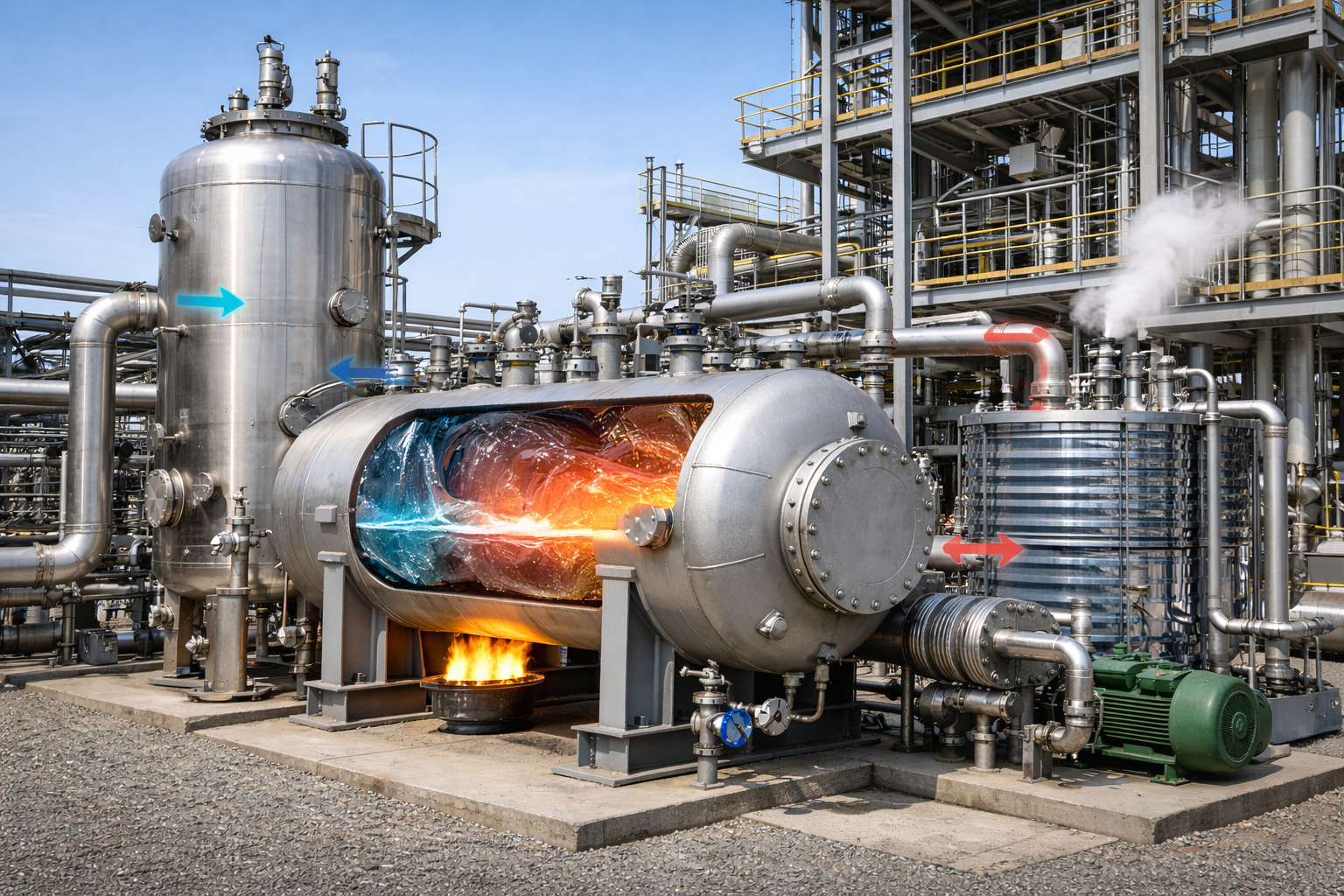
How to Improve Industrial Heat Exchanger Performance
In an industrial plant, a heat exchanger holds process fluids at the temperature a step requires. It heats a feed before a reaction, cools a product before storage or packing, condenses vapors, and recovers heat from one stream to warm another, so less external heating or cooling is needed. The right exchanger keeps the process stable and helps use energy more efficiently.
Cover practical considerations:
Maintain clean heat-transfer surfaces
Monitor fouling
Monitor inlet/outlet temperatures
Monitor pressure drop
Maintain appropriate flow conditions
Select suitable materials
Follow inspection schedules
Address leakage or abnormal pressure drop promptly
Follow manufacturer/engineering recommendations
Industrial Heat Exchanger Maintenance & Inspection
Heat-Transfer Surface Inspection
Check for fouling, scaling, deposits and deterioration.
Leakage Inspection
Identify signs of leakage and investigate abnormal operating conditions.
Pressure-Drop Monitoring
Changes in pressure drop can indicate fouling or flow restrictions.
Cleaning
Cleaning requirements depend on fluid characteristics, fouling and equipment configuration.
Material/Corrosion Inspection
Inspect materials and surfaces according to process conditions.
Preventive Maintenance
Follow an application-specific inspection and maintenance schedule.
Industrial Heat Exchanger FAQs
1. What is an industrial heat exchanger?
An industrial heat exchanger is equipment used to transfer thermal energy between two separate fluids or gases without direct mixing. It is used for process heating, cooling, condensation and heat recovery where applicable.
2. What is the main purpose of a heat exchanger?
Its main purpose is to transfer heat between process streams so that fluids can be heated, cooled or otherwise thermally controlled according to process requirements.
3. What is the working principle of a heat exchanger?
4. What are the main types of industrial heat exchangers?
Common industrial configurations include shell & tube, U-tube and removable-bundle heat exchangers. The appropriate type depends on process conditions, fluid characteristics, maintenance requirements and installation needs.
5. What factors affect industrial heat exchanger cost?
Cost depends on heat duty, heat-transfer area, configuration, material of construction, pressure and temperature requirements, fluid characteristics, fabrication, testing, accessories and customization.
Request an Industrial Heat Exchanger Quote
Looking for an industrial heat exchanger for a specific heating, cooling or process application? Share your process conditions and equipment requirements with the Febchem team. Our engineers can review the available information and advise on a suitable heat exchanger configuration based on the application.
📞 Get a Technical Proposal Within 24 Hours.